
How Do Quality Truck Tarps Improve Fleet Efficiency and Durability?
In today's highly competitive logistics industry, high-quality truck tarps play an indispensable role. They are like the "second skin" of vehicles, directly related to the operational efficiency of the fleet and the durability of assets. According to a 2022 report by the American Transportation Research Council, the use of high-performance tarpaulins can reduce the rate of cargo damage by up to 30%, which means that a fleet of 100 trucks can avoid losses of approximately $150,000 annually. For instance, the use of polyester-coated tarpaulin, with a tear resistance strength exceeding 500 Newtons, can effectively withstand adverse weather conditions and enhance the reliability of the supply chain. An industry survey shows that 83% of logistics companies believe that investing in high-quality tarpaulins is a key strategy for optimizing overall operations. This not only reduces the frequency of insurance claims but also enhances customer satisfaction.
From the perspective of efficiency, high-quality tarpaulins significantly shorten the turnover time by optimizing the loading and unloading process. Take a large European logistics enterprise as an example. After upgrading the tarpaulin system, the average loading and unloading time was reduced from 45 minutes to 30 minutes, with an efficiency increase of 33.3%. This led to an increase of 50 kilometers in daily vehicle travel and a 12% growth in annual transportation volume. The lightweight design of the tarpaulin, such as reducing its weight from the traditional 20 kilograms to 12 kilograms, has lowered fuel consumption, saving approximately 3% of fuel costs per 100 kilometers. In addition, the automated tarpaulin deployment technology has compressed the operation time to within 5 minutes, which is 60% faster than the manual method, significantly enhancing the utilization rate of the fleet. This improvement is directly reflected in the profit margin. It is estimated that the return on investment can reach over 25%.
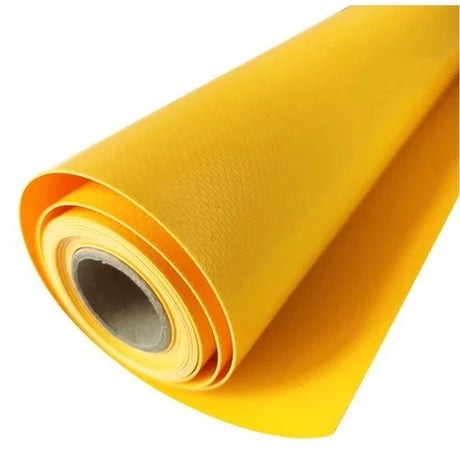 In terms of durability, the material science innovation of high-quality tarpaulins has extended their service life and reduced the frequency of replacement. For instance, the tarpaulin made of high-density polyethylene has a 40% increase in UV resistance, an average lifespan extended from 2 years to 5 years, and a 50% reduction in annual maintenance costs. A study on North American truck fleets shows that after using anti-wear tarpaulins, the maintenance interval was extended from six months to 18 months, and the failure rate dropped by 22%. The tarpaulin has a compressive strength of 1000 pascals and can withstand extreme temperature fluctuations ranging from -30°C to 80°C, ensuring stability during long-distance transportation. This durability not only reduces capital expenditure but also cuts vehicle downtime by 15%, enhancing the overall reliability of the fleet.
Real cases further confirm its value. For instance, after China SF Express introduced custom tarpaulins in 2021, its annual operating costs decreased by 8%, while the integrity rate of goods increased to 99.5%. Market trends indicate that the global tarpaulin market is expected to expand at a compound annual growth rate of 5.2%, reaching a scale of 5 billion US dollars by 2025. This is attributed to technological innovations such as the integration of Internet of Things sensors in smart tarpaulins for real-time monitoring of goods status. Through such optimization, fleet managers can achieve efficient resource allocation and ultimately drive the industry towards sustainable development.
In terms of durability, the material science innovation of high-quality tarpaulins has extended their service life and reduced the frequency of replacement. For instance, the tarpaulin made of high-density polyethylene has a 40% increase in UV resistance, an average lifespan extended from 2 years to 5 years, and a 50% reduction in annual maintenance costs. A study on North American truck fleets shows that after using anti-wear tarpaulins, the maintenance interval was extended from six months to 18 months, and the failure rate dropped by 22%. The tarpaulin has a compressive strength of 1000 pascals and can withstand extreme temperature fluctuations ranging from -30°C to 80°C, ensuring stability during long-distance transportation. This durability not only reduces capital expenditure but also cuts vehicle downtime by 15%, enhancing the overall reliability of the fleet.
Real cases further confirm its value. For instance, after China SF Express introduced custom tarpaulins in 2021, its annual operating costs decreased by 8%, while the integrity rate of goods increased to 99.5%. Market trends indicate that the global tarpaulin market is expected to expand at a compound annual growth rate of 5.2%, reaching a scale of 5 billion US dollars by 2025. This is attributed to technological innovations such as the integration of Internet of Things sensors in smart tarpaulins for real-time monitoring of goods status. Through such optimization, fleet managers can achieve efficient resource allocation and ultimately drive the industry towards sustainable development.
In terms of durability, the material science innovation of high-quality tarpaulins has extended their service life and reduced the frequency of replacement. For instance, the tarpaulin made of high-density polyethylene has a 40% increase in UV resistance, an average lifespan extended from 2 years to 5 years, and a 50% reduction in annual maintenance costs. A study on North American truck fleets shows that after using anti-wear tarpaulins, the maintenance interval was extended from six months to 18 months, and the failure rate dropped by 22%. The tarpaulin has a compressive strength of 1000 pascals and can withstand extreme temperature fluctuations ranging from -30°C to 80°C, ensuring stability during long-distance transportation. This durability not only reduces capital expenditure but also cuts vehicle downtime by 15%, enhancing the overall reliability of the fleet.
Real cases further confirm its value. For instance, after China SF Express introduced custom tarpaulins in 2021, its annual operating costs decreased by 8%, while the integrity rate of goods increased to 99.5%. Market trends indicate that the global tarpaulin market is expected to expand at a compound annual growth rate of 5.2%, reaching a scale of 5 billion US dollars by 2025. This is attributed to technological innovations such as the integration of Internet of Things sensors in smart tarpaulins for real-time monitoring of goods status. Through such optimization, fleet managers can achieve efficient resource allocation and ultimately drive the industry towards sustainable development.