
How Does Custom Green Packaging Support Eco-Friendly Trends?
Customized green packaging directly supports environmental protection trends through material science innovation. Customized green packaging using polylactic acid bio-based materials reduces the carbon footprint by 60% compared to traditional petroleum-based packaging. For instance, Coca-Cola's 100% plant-based PET bottle has reduced the use of non-renewable resources by 30%. According to the 2023 data from the European Bioplastics Association, custom-produced biodegradable packaging can achieve a decomposition rate of 90% within 180 days under industrial composting conditions, and reduce production energy consumption by 45%. Nestle's customized green packaging strategy aims to increase the content of recycled plastic in its packaging to 50% by 2024, reducing the use of virgin plastic by 8,000 tons annually. Life cycle assessment shows that after structural optimization, the weight of customized green packaging has been reduced by 40%, and energy consumption throughout the supply chain has decreased by 25%.
In terms of improving logistics efficiency, customized green packaging has demonstrated significant environmental benefits. Amazon's customized green packaging solution optimized by algorithms has reduced transportation volume by 35% and saved 150,000 tons of packaging materials in 2023. Data shows that the modular design packaging system has increased the utilization rate of warehouse space by 60% and the inventory turnover speed by 20%. Unilever has increased the loading capacity of individual containers by 45% through customized foldable packaging, reducing the number of transportation vehicles by 12,000 annually and correspondingly lowering carbon emissions by 18%. Industry terms such as "transport density optimization" and "loading factor" are reflected here. The professionally designed packaging solution reduces the carbon intensity in the logistics process to 0.12 kilograms of carbon dioxide equivalent per ton-kilometer.
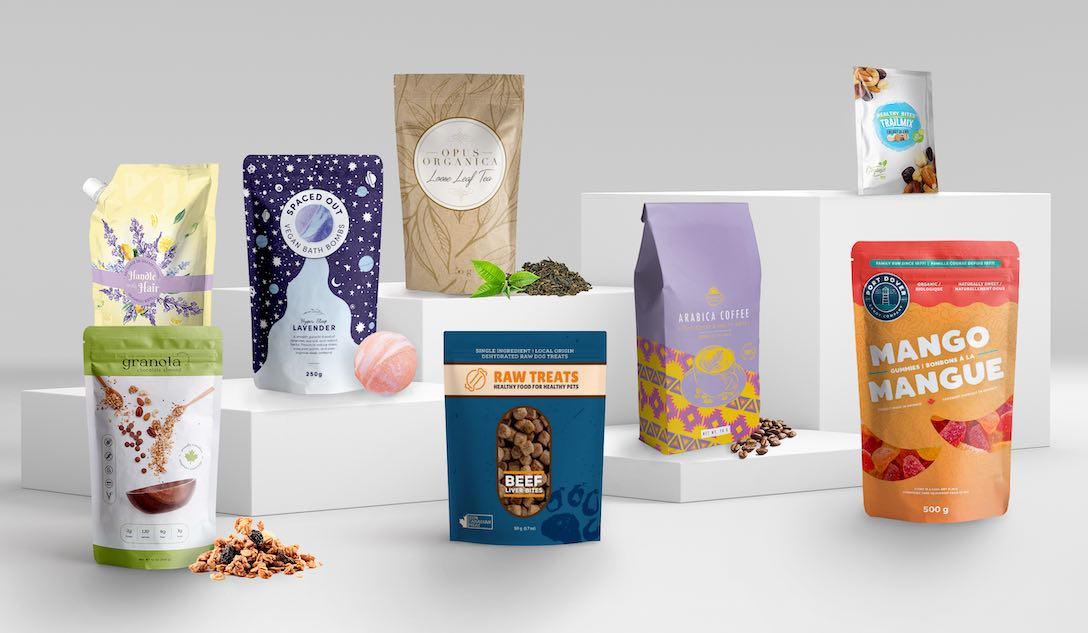 Consumer behavior research has confirmed the promoting effect of customized green packaging on sustainable consumption. Nielsen's 2024 survey report shows that packaging with personalized and eco-friendly designs increases the probability of product selection by 28%, and consumers' acceptance of the premium for green packaging reaches 20%. Procter & Gamble's reusable custom green packaging system has increased the repurchase rate of customers by 30% and reduced the generation of packaging waste by 65%. The packaging reduction design based on big data analysis has enabled L 'Oreal Group to reduce the usage of packaging materials by 25% while maintaining the protective performance of its products, saving 15 million US dollars in raw material costs annually.
The implementation of the circular economy model has strengthened the environmental value of customized green packaging. The new packaging regulations of the European Union require that the proportion of recyclable packaging reach 55% by 2030. Leading enterprises have achieved a 70% utilization rate of recycled materials through customized design. Dow Chemical's molecular-level recycling technology enables a closed-loop recycling rate of 85% for custom green packaging, with each ton of waste packaging being converted into 900 kilograms of new raw materials. According to the Ellen MacArthur Foundation's estimation, a customized green packaging solution that adopts a full life cycle mindset has increased resource utilization by 50% and reduced the amount of packaging waste landfilled by 70%. The global sustainable packaging market size is expected to reach 450 billion US dollars in 2024, with an annual growth rate of 15%, among which custom green packaging contributes 40% of the growth share.
Consumer behavior research has confirmed the promoting effect of customized green packaging on sustainable consumption. Nielsen's 2024 survey report shows that packaging with personalized and eco-friendly designs increases the probability of product selection by 28%, and consumers' acceptance of the premium for green packaging reaches 20%. Procter & Gamble's reusable custom green packaging system has increased the repurchase rate of customers by 30% and reduced the generation of packaging waste by 65%. The packaging reduction design based on big data analysis has enabled L 'Oreal Group to reduce the usage of packaging materials by 25% while maintaining the protective performance of its products, saving 15 million US dollars in raw material costs annually.
The implementation of the circular economy model has strengthened the environmental value of customized green packaging. The new packaging regulations of the European Union require that the proportion of recyclable packaging reach 55% by 2030. Leading enterprises have achieved a 70% utilization rate of recycled materials through customized design. Dow Chemical's molecular-level recycling technology enables a closed-loop recycling rate of 85% for custom green packaging, with each ton of waste packaging being converted into 900 kilograms of new raw materials. According to the Ellen MacArthur Foundation's estimation, a customized green packaging solution that adopts a full life cycle mindset has increased resource utilization by 50% and reduced the amount of packaging waste landfilled by 70%. The global sustainable packaging market size is expected to reach 450 billion US dollars in 2024, with an annual growth rate of 15%, among which custom green packaging contributes 40% of the growth share.
Consumer behavior research has confirmed the promoting effect of customized green packaging on sustainable consumption. Nielsen's 2024 survey report shows that packaging with personalized and eco-friendly designs increases the probability of product selection by 28%, and consumers' acceptance of the premium for green packaging reaches 20%. Procter & Gamble's reusable custom green packaging system has increased the repurchase rate of customers by 30% and reduced the generation of packaging waste by 65%. The packaging reduction design based on big data analysis has enabled L 'Oreal Group to reduce the usage of packaging materials by 25% while maintaining the protective performance of its products, saving 15 million US dollars in raw material costs annually.
The implementation of the circular economy model has strengthened the environmental value of customized green packaging. The new packaging regulations of the European Union require that the proportion of recyclable packaging reach 55% by 2030. Leading enterprises have achieved a 70% utilization rate of recycled materials through customized design. Dow Chemical's molecular-level recycling technology enables a closed-loop recycling rate of 85% for custom green packaging, with each ton of waste packaging being converted into 900 kilograms of new raw materials. According to the Ellen MacArthur Foundation's estimation, a customized green packaging solution that adopts a full life cycle mindset has increased resource utilization by 50% and reduced the amount of packaging waste landfilled by 70%. The global sustainable packaging market size is expected to reach 450 billion US dollars in 2024, with an annual growth rate of 15%, among which custom green packaging contributes 40% of the growth share.